The Hartford's innovation chief on cameras: risk assessment moves from snapshot to film
Interviewed at RISKWORLD 2026 by Risk & Insurance, Matt Scott described AI watching workplace video for hot spots, reckless forklifts and badly packed pallets. Discounts, for now, are for camera-equipped fleet telematics.
Dan Reynolds, editor-in-chief of Risk & Insurance, sat down with Matt Scott, head of property and casualty innovation at The Hartford, at the RISKWORLD 2026 conference in Philadelphia and published the interview on June 9, 2026. Much of it concerns a new workplace violence product and humanoid robots. The passage that matters for this site is about cameras.
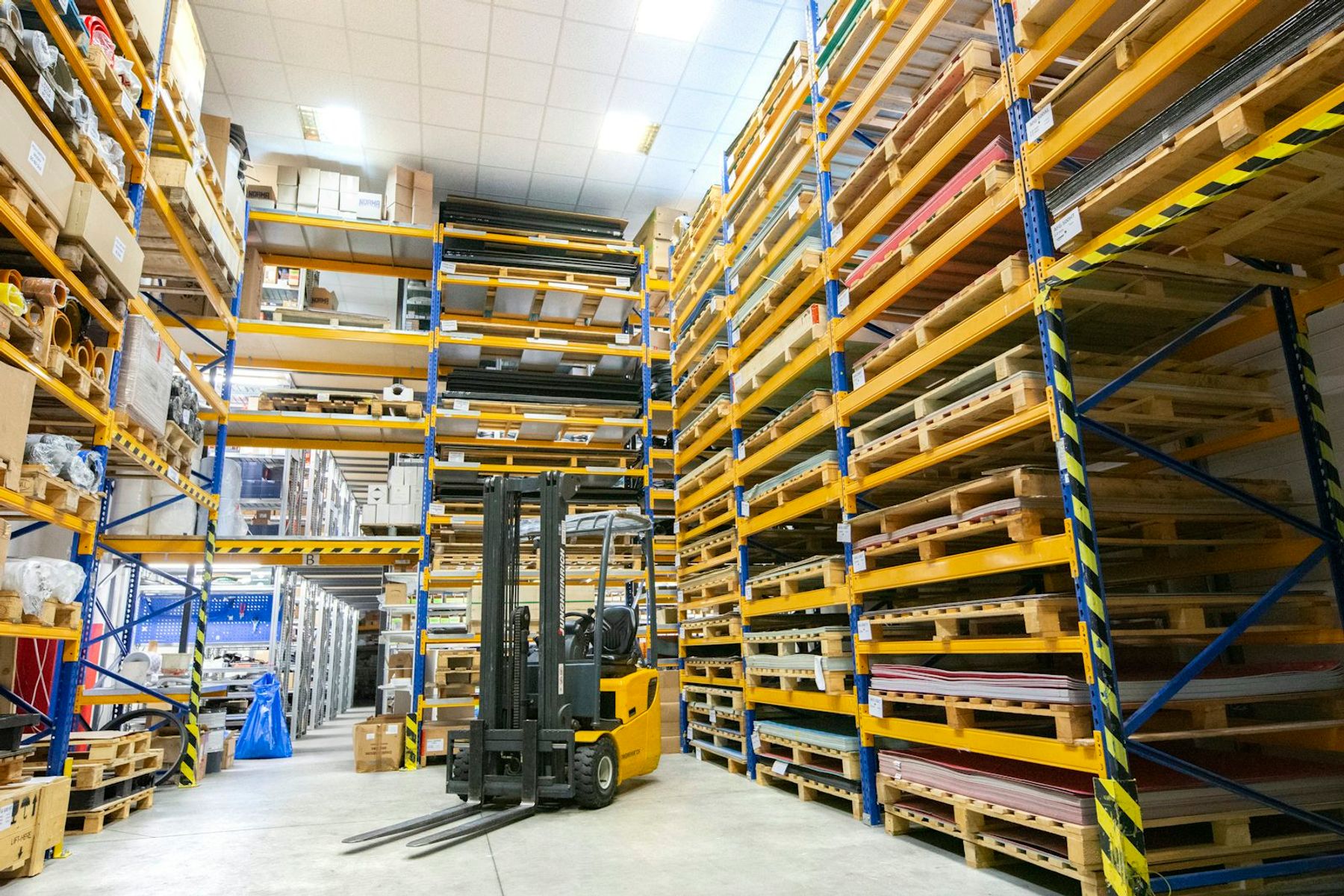
Asked about AI, Scott described the carrier's view of what changes when the thing watching a facility is a model. "AI is trained to watch videos and spot problems constantly. That could be a hot spot, a forklift doing donuts, an inappropriately packed pallet, or a process that's simply broken," he said. He put the shift in one phrase: artificial intelligence is changing risk prevention "from a snapshot to an ongoing film."
An underwriter's site visit sees a plant for a day, and a camera agent sees it for the whole policy term.
Where the money is today
Scott was specific about what The Hartford actually discounts. The company offers telematics discounts across most of the United States, on the reasoning that insureds who adopt it see a significant drop in the frequency of events. He said the most effective telematics is camera-enabled and paired with coaching by risk professionals, and cited studies suggesting that over 70 percent of fleet accidents could be avoided with active AI-enhanced coaching using video. He added that the hardware does little without a safety culture around it.
There is no equivalent published discount for fixed cameras on a plant floor. Scott's description of AI watching for forklift behaviour and pallet stacking is framed as prevention and as a service, the thing a carrier's risk engineers help a client set up. It is not a rate factor. The Hartford's claim here is that continuous monitoring prevents injuries, and that fewer injuries eventually show up in loss history.
The rest of the interview
The workplace violence product, already in market, is a sidecar to workers' comp covering the mental-health effects of an incident on employees who were not physically hurt. On humanoid robots, Scott said their arrival on job sites raises product liability questions carriers will need to think through. After 30 years at the company, he gave Reynolds his own definition of the job: helping businesses thrive and getting employees home safely at night.
For video agent vendors the takeaway is narrower. The Hartford has moved from talking about cameras as evidence to talking about them as a live sensor, and it has a working pricing model for the fleet version. The stationary version is a few years of loss data behind.
Read the original at Risk & Insurance.