A firearms maker with no security guards puts video agents on 800 acres
Staccato trusts its employees and does not search them. Its director of technology explains how the company validates that trust with the cameras it already owned, deployed in seven weeks.
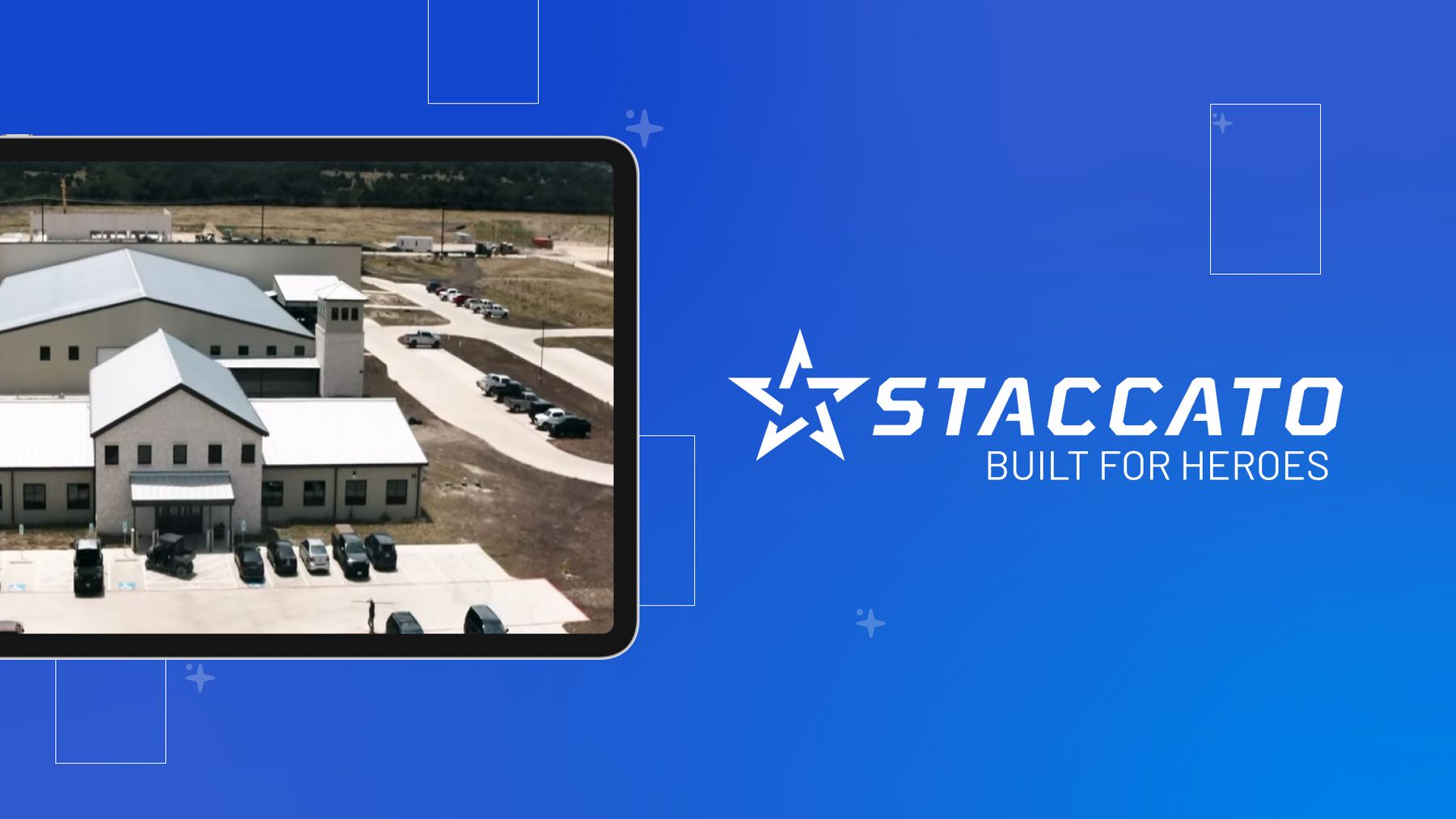
Staccato makes pistols on an 800-acre campus in Texas that holds a manufacturing plant, an administrative building, and Staccato Ranch, an experience centre with shooting ranges. According to Spot AI's published account, the company has no security guards and no metal detectors, and its director of technology says that is deliberate.
We don't have security guards or metal detectors - we trust our employees. But we'd like to validate that trust when possible, especially given the nature of what we manufacture.
Mike Tiller is describing a specific problem. The company trusted its staff but consulted its cameras only after something had gone wrong, so the trust was checked late, if it was checked at all.
The reactionary years
Staccato already had a modern camera system with analytics. The issue was how it was used.
In our old approach, we were always reactionary. We'd review footage after an incident occurred, but we needed to move beyond that. With facilities spread across 800 acres, it's impossible for our team to see everything happening in real-time.
The prompting events, per the account, included a forklift accident. Tiller says the question he asked was about the hardware already on the walls: "The question was, 'how do we get more out of our existing systems?' We needed something that could transform our camera system from a passive recording tool into a proactive partner in safety and security." Spot AI says the deployment on the existing cameras took seven weeks from first conversation.
Knowing staff from visitors
The detail that stands out is a rule about who has to wear what.
What impressed me was the system's ability to understand context. For example, we needed different rules for range safety officers versus the general public when it comes to PPE requirements. The AI Agents were smart enough to recognize known staff members and adjust their monitoring and actions accordingly.
A detector that flagged every range officer without ear protection would not last long before someone switched it off. One that can tell staff from visitors has a chance of staying on.
The same logic applies at the doors. "Before implementing this system, tracking tailgating relied entirely on human observation," Tiller says. "Now we receive instant alerts when someone holds the door open or if multiple people enter in quick succession, allowing us to address security protocols in real-time rather than after the fact."
Events and waivers
During large events at the Ranch, the account says, the system validates waiver completion for attendees and provides headcounts, neither of which is a security task.
What it is for
Spot AI publishes no percentages for Staccato and says the deployment is still early. The company plans to extend it to its ammunition and precision-manufacturing sister businesses. Tiller's own measure is a different one.
The technology has to serve a purpose beyond just having AI for AI's sake.
And: "Sometimes the benefits aren't directly tied to revenue - it's about building a better, safer workplace and knowing we're doing everything we can to protect our people and assets." For a company that makes firearms and chooses not to search its employees, the cameras are how the trust in his first quote gets checked.