How a city of 13,000 cut a two-hour footage search to 30 seconds
Cambridge, Maryland, could not get replacement parts for its old camera system. It kept its cameras, changed the software, and says it saved $10,000 and cut two-hour searches to half a minute.
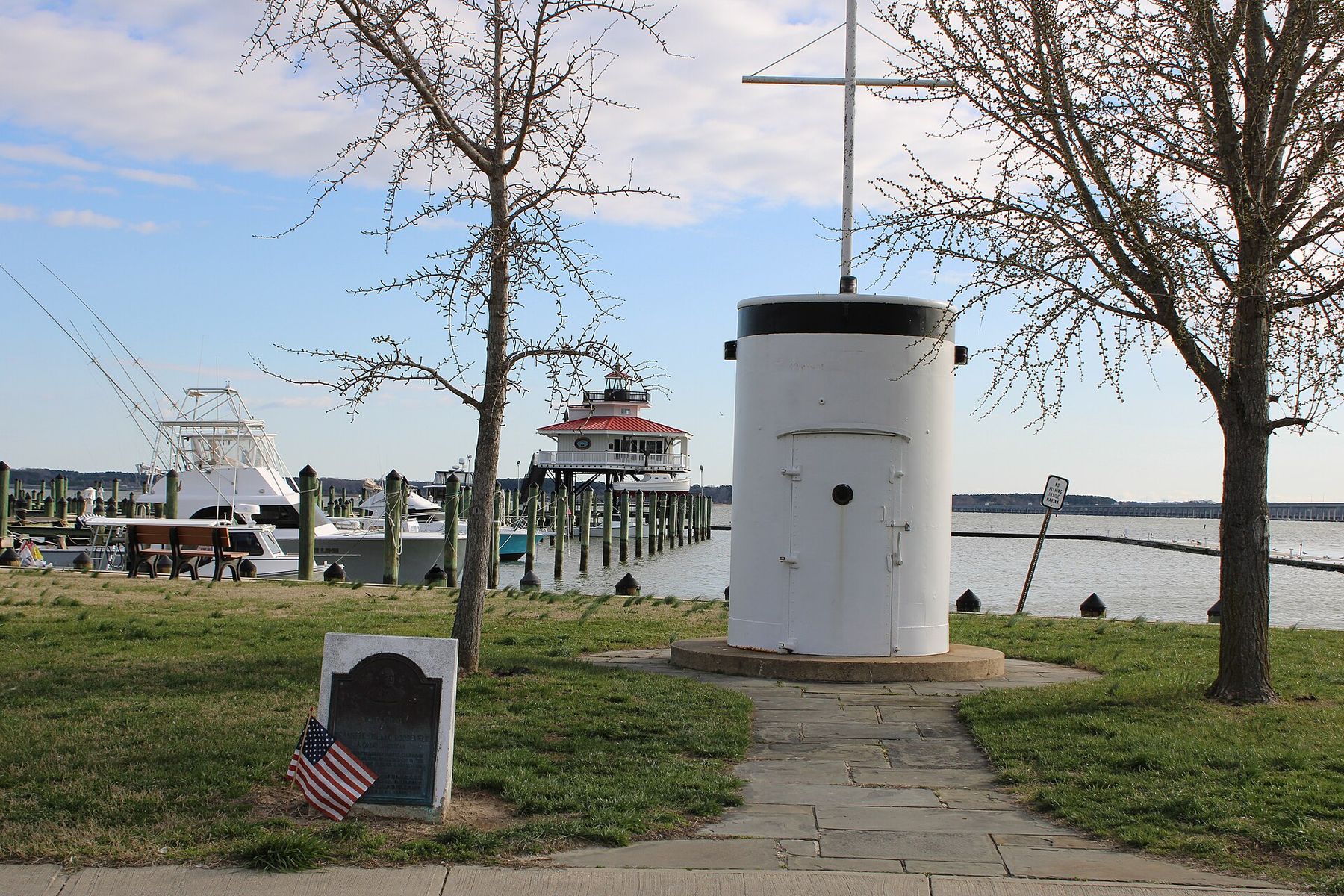
Cambridge, Maryland, is a city of 13,000 on the Eastern Shore. Its security problems, in Spot AI's published account, are the ordinary ones of a small city. Petty theft and break-ins, plus garbage dumped illegally at a few known spots around town.
Its camera problem in 2022 was also ordinary. The legacy system ran on proprietary hardware, replacement equipment was expensive to buy and install, and the only compatible hardware was stuck in supply chain delays. Searching for footage took hours. Once you found a clip there was no easy way to share it.
The rip-and-replace trap
When the city went looking for a replacement it found the market split in two, according to the account. Some vendors sold software only, leaving the city to source cameras elsewhere. Others sold software and hardware together but would not work with cameras the city already owned.
Cambridge had cameras in good condition and did not want to pay to throw them away. The account says that is the main reason it chose the system it did: the existing cameras stayed, and replacement cameras come free when needed.
The city says this saved more than $10,000 in hardware, plus the labour to install it. Its IT team deployed across seven locations, including City Hall, the Public Works building, the marina, and the Public Safety facility.
Two hours to 30 seconds
The published time figure is the sharper one. Searches that routinely took two hours or more on the legacy system now take under 30 seconds, the city says.
The account describes how. Staff draw a zone in the camera frame where they know something happened, over a span of several days, and the system returns only the moments with motion in that zone. Illegal dumping is the textbook case, since the pile appears sometime over a weekend at a known spot. Staff draw the box around that spot and the system returns the truck that left it.
Cases, the system's incident folders, hold the video and the paperwork in one place, and the account says every city department works from the same system.
After the contract
Dale Price, the city's IT coordinator, gives the account's only quote, and it is about what happened after the contract.
Other companies gave me the feeling of, 'I'm going to sell you this product and then it's out of my hands.' The contract's been signed with Spot AI and they're still reaching out to us. If I fire off an email, somebody is getting back to me pretty quickly. One of my favorite things about Spot AI is the customer service.
An IT coordinator in a city this size typically runs everything himself, so a vendor that answers email the same day is doing part of his job.
The arithmetic
Cambridge's account is the most quantified of Spot AI's public-sector stories: $10,000 saved, seven sites, two hours down to 30 seconds. The decision itself was simpler than the arithmetic. The city asked each vendor whether it could keep the cameras it already had, and the one that said yes got the contract in mid-2022. If you are running a system you can no longer get parts for, that is probably still the first question to put to a vendor.