A $5,000 fender at the fuel island
Wayne Transports runs 800 trucks out of yards the size of football fields. Its IT director on the damage nobody could explain, the LPR quote that did not fit the budget, and using cameras to back up the e-logs.
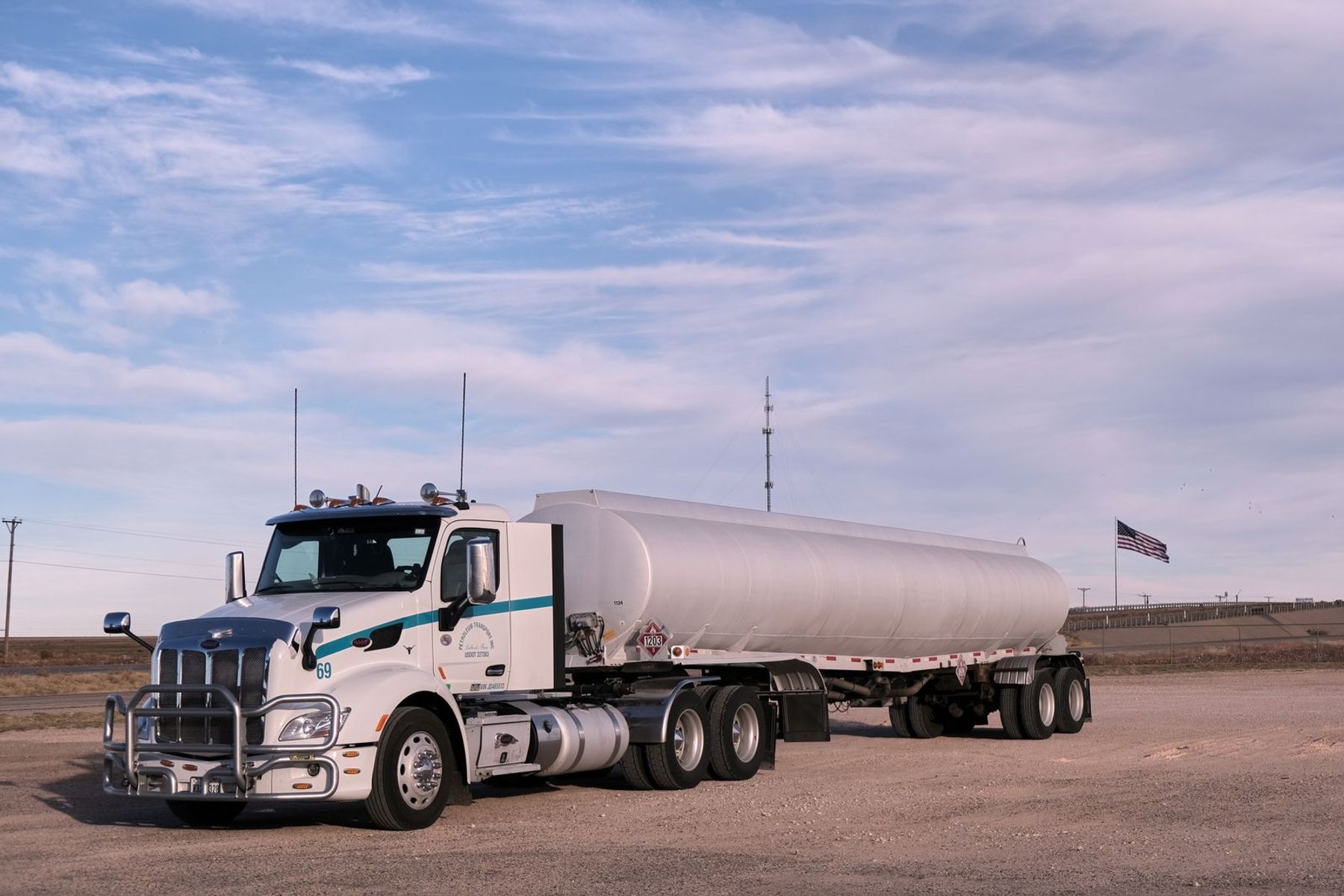
Wayne Transports hauls asphalt, chemicals, and petroleum products with a fleet of 800 vehicles, and its terminals are, in Spot AI's published description, football-field-sized yards with maintenance bays, fuel islands, and remote parking. Things went wrong in those yards, and nobody could see them when they did.
What a truck yard costs
Bill Holmberg, the IT director, gives the examples himself.
We've had drivers take too sharp a turn coming out of the fuel islands and leave a fender behind. That's a $5,000 fix. Had another guy drive off with a hose. With Spot AI, we're able to catch those kinds of things and take steps to prevent them.
A fender is $5,000, and a fuel hose torn off a pump is its own bill. Neither is a security incident in the usual sense; both are the kind of damage that, without footage, gets absorbed as a cost of doing business because nobody can establish what happened. The account says the system has since supplied evidence in cases of illegal dumping, after-hours trespassing, and trailer damage.
The quote that did not fit
Before Spot AI, Wayne had priced expanded camera coverage and separate licence-plate-recognition cameras, and the account says both quotes were beyond budget. Coverage matters more than usual in trucking because the yards are large and the useful angles are many.
We want as much camera coverage as we can afford because we use so many different angles. I've told dozens of people in the trucking space to check out Spot AI because it's provided the coverage we need for an affordable price.
The account credits no-cost camera hardware and a cloud dashboard for letting the company reach the remote corners of its yards. Licence plate recognition, it says, now runs on the ordinary cameras: search by plate, alerts for plates of interest, and exportable plate reports, without dedicated LPR hardware.
Cameras as a second log
The third use is the least visible and possibly the most consequential for a carrier. Trucking companies live by their electronic logging devices, and ELD records feed CSA scores, insurance rates, and inspection frequency. When a claim or allegation arrives, or a device malfunctions, the record needs corroboration.
The account says Wayne's managers now review vehicle entries, exits, and movements at the terminals on video and compare the timestamps with the ELD data. It is described as an infrequent use, but the kind that matters when it is needed.
The measure
Spot AI publishes no percentages for Wayne Transports, only a set of jobs: resolving dumping and trespassing in expansive yards, finding out why a trailer is damaged, and confirming when a truck left. Holmberg's line about telling dozens of people in trucking to look at the system is the closest thing to a result claimed, and it is a specific one.
If you run yards that size, what is quietly being absorbed as a cost of doing business because nobody saw it happen?