Camera health decides churn before accuracy does
Ask an advisor why monitoring customers leave and the answer is a camera that stayed dark for a week. The support queue and one 82-second clip say the same thing.
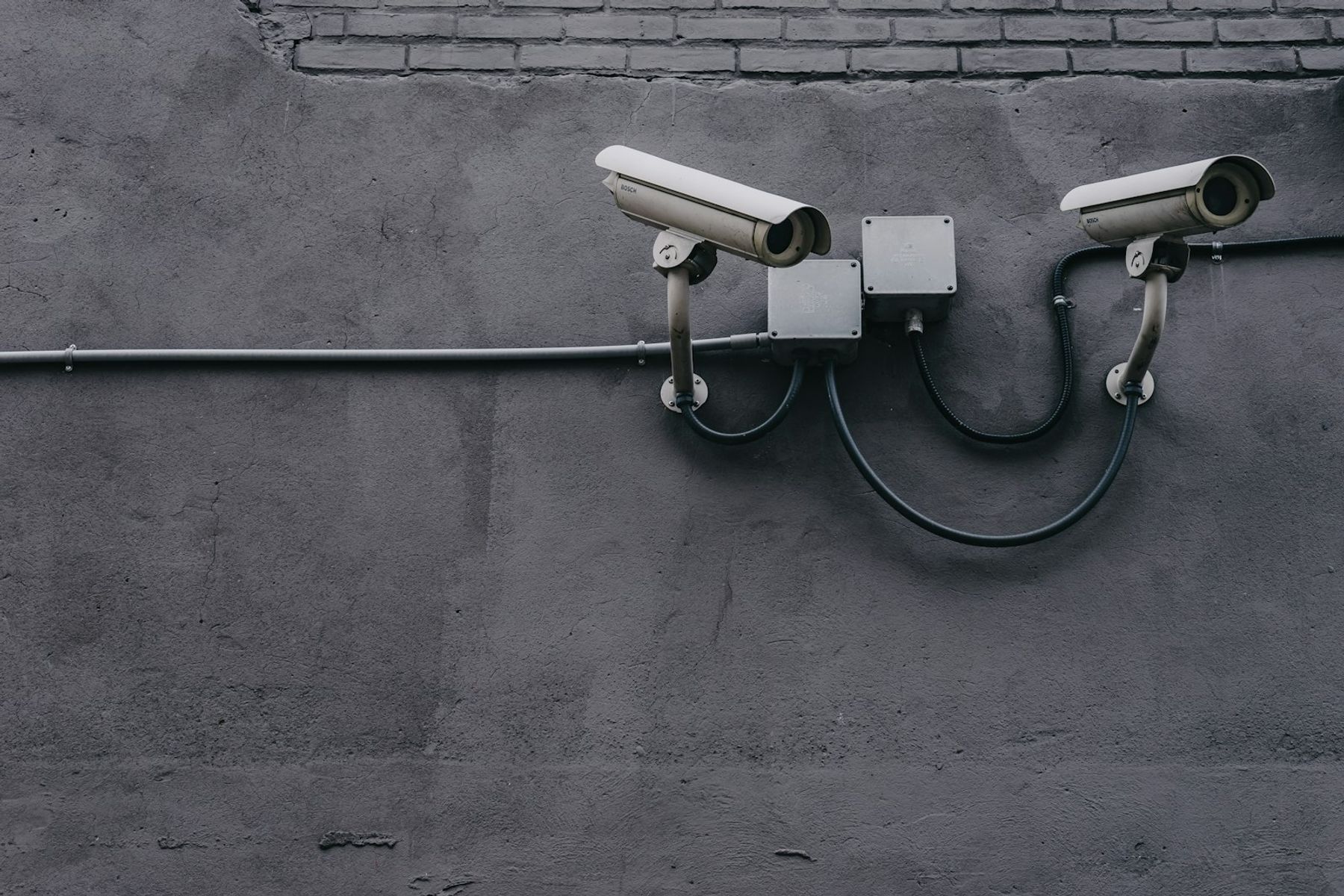
I have spent a few weeks reading a summer's worth of sales calls and customer recaps from one video-agent vendor, and the thing that decides a renewal, going by those notes, is whether the camera was on. Model accuracy comes up. It comes up later.
The advisor's view
An industry advisor with a background in remote guarding and monitoring put it to the vendor's team in July. Customers leave, in his account, mainly because cameras or audio stay down too long. Outages go unnoticed for days, the client finds out before the provider does, and the anger from that does more damage than any detection miss. The things he said matter more than AI features were proactive maintenance, a minimal number of hardware SKUs, and fast ticketing. He also had a warning about the hardware category everyone is now shipping: edge AI boxes and cheap cameras fail unpredictably, and each failure turns into an expensive truck roll and downtime.
A second advisor, who previously ran a large remote-monitoring business, described what had worked there. Installation, service and monitoring sat under one roof for a single monthly fee, which removed the finger-pointing between the installer and the monitoring desk when something went dark.
"Camera health is the real unlock"
A national integrator group wrote its own recap after a working session in August, and the line I keep returning to had nothing to do with agents:
Camera health is the real unlock. Spot AI already provides the telemetry free with the IVR. It also flags image quality, which turns every refresh conversation into a data-backed one.
Two things are in there. The first is that the telemetry is already on the box, so the integrator gets it without a new SKU. The second is commercial. An integrator group of that size sells camera refreshes, and a report showing which cameras have degraded image quality changes that sale from an argument into a printout. The group's security CEO said separately, per the notes, that he wants camera-health metadata to pre-empt failures and cut maintenance cost.
The OT lead planning a greenfield meat-processing plant arrived at the same item from the other direction. He had built in-house camera AI before, for counting animals, and it had failed on dirty lenses and occlusion. Dirty-lens detection was not available out of the box in the product he was evaluating, and he flagged it as important.
What the support queue says
The vendor's own customer-success review from January listed the top negative themes across support tickets and general feedback. They were uptime and reliability, slow load times, and video playback problems. AI accuracy was noted as an emerging theme, behind those. The product's own loading message, "this camera is taking longer than expected to load," appeared in the review as the thing customers were seeing.
That ordering matches what the advisor said in July. AI accuracy came last on both lists.
A self-storage operator with more than 50 sites, shopping for a replacement this summer, described its incumbent system in terms of latency, stalled footage and false alerts. Its contract had lapsed to month-to-month. The false alerts were on the list, but the notes put footage that stalls first.
The 82-second clip
Latency shows up in a different form for partners who build on the API. A large security-technology partner running its own operator workflow measured about 82 seconds for the historical API to build a 40-second MP4 clip. For the person at the dispatch desk deciding whether to send someone, that is too slow, and the partner said so. What it asked for was five to ten still frames at one or two frames per second, delivered immediately. A dispatcher can judge a scene from stills, and the clip can follow.
A behavioural-health customer added a smaller version of the same friction. Its staff preferred the older interface because, in the new one, cameras had to be manually reactivated during discovery. At some of its residential sites the recorder hardware was physically too large to install, so those sites run single-camera setups on other equipment.
Where that leaves engineering
The engineering list this produces is unglamorous, and my guess is that is why it keeps losing roadmap meetings to agent features. Report camera and audio state continuously and alert on it before the customer notices. Flag image degradation so a dirty lens becomes a ticket while it is still a dirty lens. Serve still frames in under a second and build the clip afterwards. Make the recorder small enough for the buildings it has to go in. The advisor's version was shorter: proactive maintenance, minimal SKUs, fast ticketing. He listed those before any AI feature, and the churn he was describing came from a business that had run monitoring long before there were agents.