Seventeen sites from Florida to Virginia, and no camera bill
Tidewater Fleet Supply was losing inventory and could not find out how. Its IT director on a camera system that was network-only, kept going down, and would have cost $250 to $500 a lens to expand.
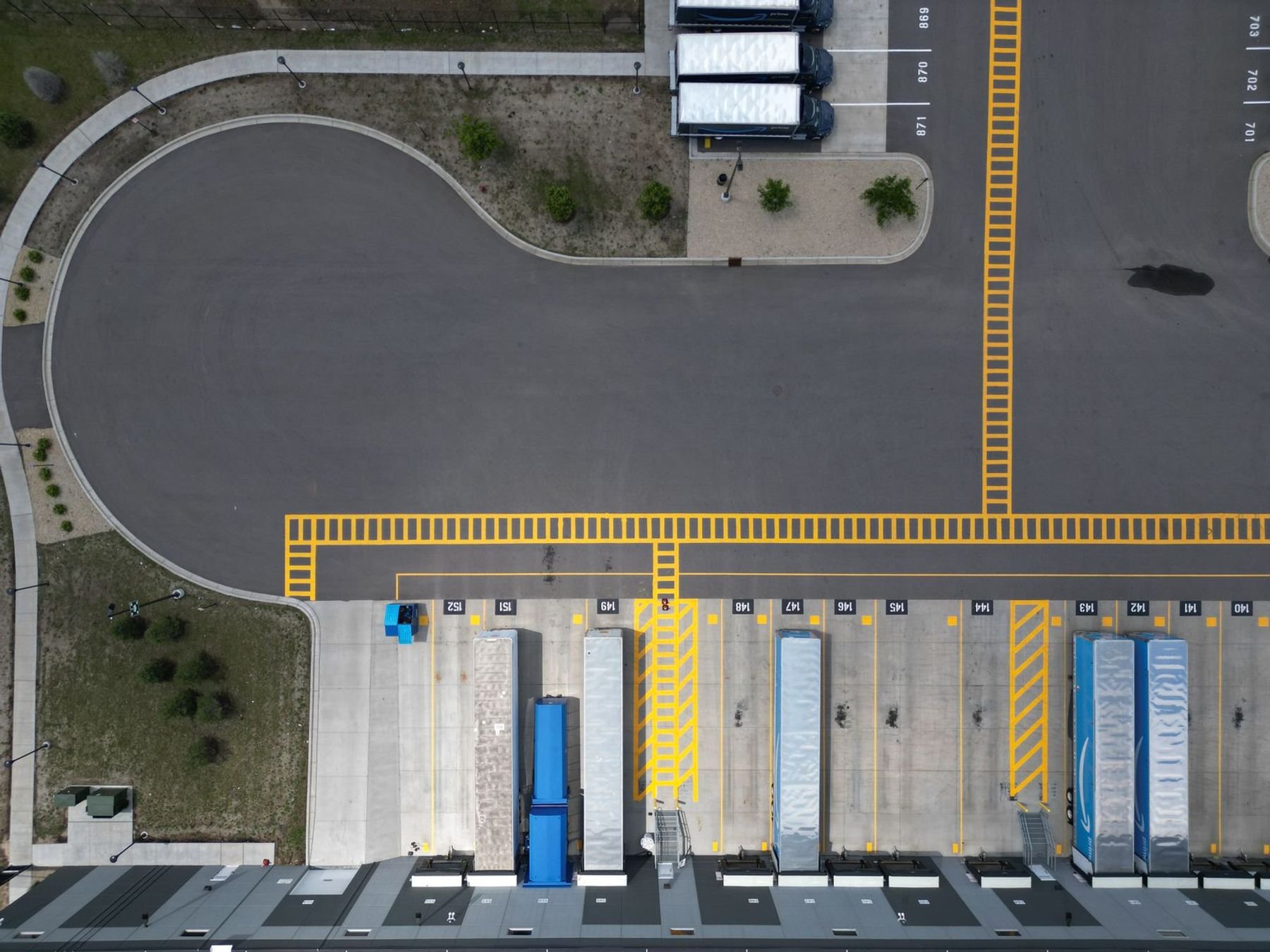
Tidewater Fleet Supply distributes heavy-duty truck parts and trailers across the Southeast from three distribution centres and fourteen retail locations. According to Spot AI's published account, the reason it looked at its cameras was a run of loss incidents and the discovery that the existing system could not help.
The account lists the old setup's failures. Searching took hours and remote access was minimal. Cameras went offline without warning, some sites had thin coverage, and others had no cameras at all. Investigations, it says, "were labor intensive and sometimes wouldn't turn up anything at all," which left the losses unexplained.
The system that cannot be asked
Timothy Divers, the company's director of information technology, describes the position he was in.
When you consider the financial impact of the losses, we're saving the company money with Spot AI. Our last system was only accessible from within our network, cameras went down frequently, and it was hard to expand.
Those are three separate complaints, and each one is a way a camera system fails quietly. Network-only means the person who needs the footage is usually in the wrong building. A camera that drops off without telling anyone means the one incident you need is the one you did not record. And hard to expand means the sites without cameras stay that way.
The account says Spot AI's search shortened investigations and its camera-health alerts told the team when a camera went down, so "they would never be left in the dark again." No figures are given for losses prevented or hours saved. The company's claim is that it now has a system it can depend on.
Florida to Virginia
The second problem was geography. Tidewater operates in several states and, the account says, the local vendors it considered could only support one region each. It wanted one standard from Florida to Virginia, with consistent support and no per-site surprises.
That made price the deciding factor, and the price in question was per camera.
Upgrading every site without having to pay for new cameras was very important for us. Otherwise, it would have been $250 to $500 per camera. With Spot AI we get camera equipment to own 100%, plus replacements at no extra cost.
Spot AI's model, as the account describes it, bundles 5 MP cameras, unlimited users, and support into one subscription. For a company adding cameras to sites that had none, $250 to $500 a camera, multiplied across seventeen locations, is the number that had been stopping the project.
What the company says it got
Spot AI lists three outcomes: protection against significant loss, all cameras and locations on one cloud dashboard, and $0 spent on camera hardware. The first is unquantified. The second and third are the practical ones.
There is no dramatic catch in the Tidewater story, just a distributor that had been losing inventory, could not establish how, and needed a way to put cameras everywhere without a capital request for each one. Divers' summary is a finance argument: "we're saving the company money with Spot AI." If you have sites with no cameras at all, what is the per-camera number that has been stopping you?