The kiosk nobody was watching
GO Carwash put an agent on its pay stations and membership conversions rose 54 percent. A case about attention.
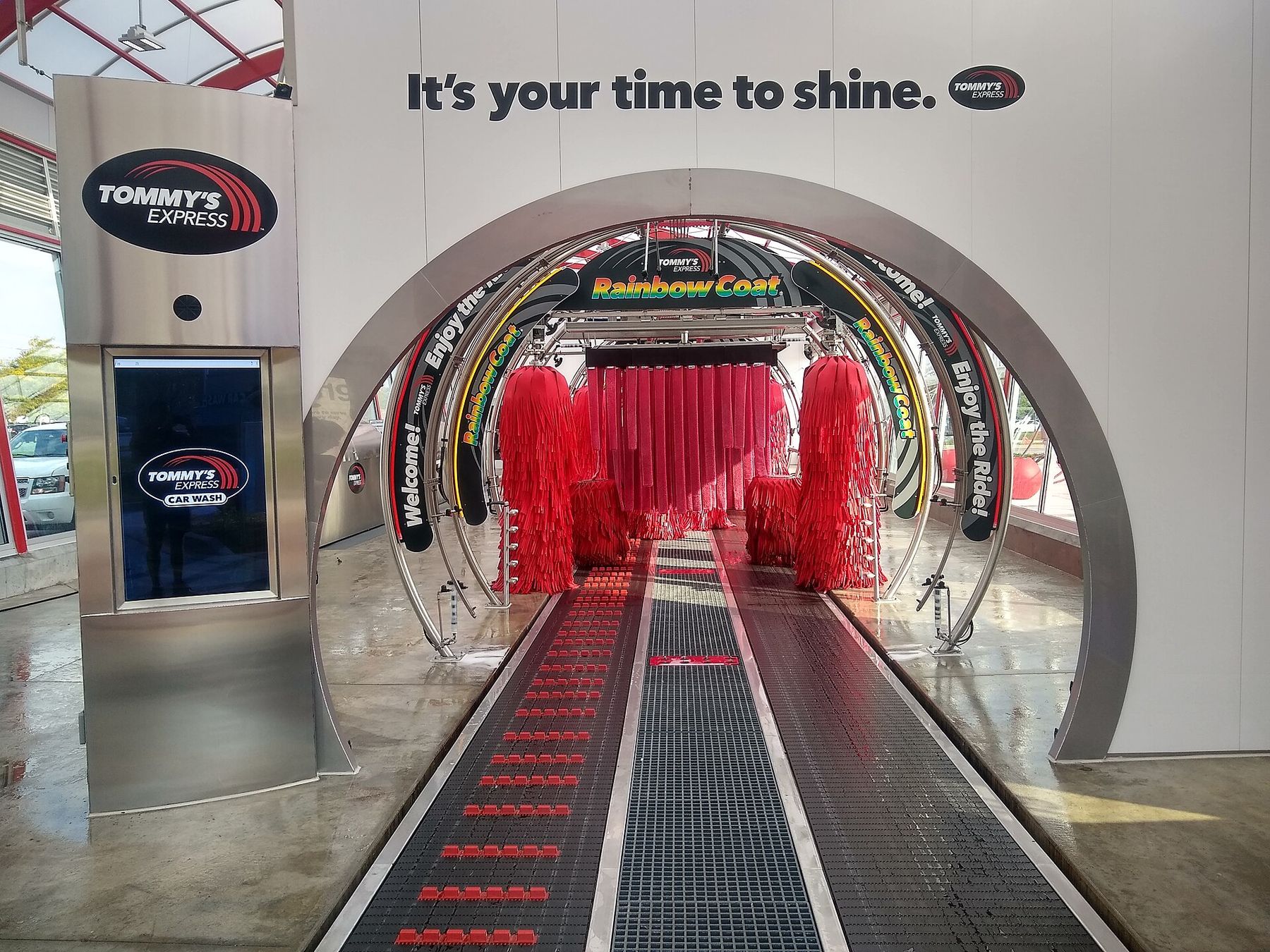
A car wash sells two things: a wash, and a membership that turns a wash into a subscription. The membership is sold at the pay station, by a person, in the thirty seconds before the customer drives into the tunnel. When that person is not there, the sale does not happen, and nobody knows.
That last clause is what GO Carwash's deployment addressed, as Spot AI has published it. The operator put what the company calls an Unattended Kiosk agent on its pay stations, along with people-presence and vehicle-idle-time detection. Membership conversion at the pay stations rose 54 percent.
Reactive to proactive
The quotes in the case study are unattributed to a named individual, but they are consistent on one theme.
Before, we'd find issues after the fact. Now we get a heads-up before they become problems. That shift, from reactive to proactive, has been a huge unlock.
A kiosk that has been unstaffed for four minutes at the Saturday rush is a problem nobody used to see until the weekly numbers came in. An agent that notices in real time turns it into a radio call: get someone out front.
Spot AI helps us keep our team where they're most valuable: out front, with the customer.
Built in the operator's terms
The operator's own framing differs from the vendor's.
It's not just video, it's operational insight. From tunnel flow to safety checks, Spot AI helps us tighten up processes and move faster with confidence.
And on why it worked for them specifically: "The beauty of Spot AI is how simple it is to tailor. We've been able to build insights around our operations, not force our operations to fit the tech." A car wash's definition of a problem, an idle vehicle at the entrance or a kiosk with no attendant, does not come in a vendor's default catalogue. It has to be built on site, in the operator's terms.
A sale that never happened
Retail loss prevention gets the attention because the losses are visible. The car-wash kiosk was a sale that never happened, so nobody counted it. Video agents are unusually good at exactly this class of problem, the absence of a person where a person should be. Fifty-four percent is a large number for a small change, and it gives some idea of how often the pay station was standing empty before anyone was told. How often is yours?