Why Spot AI is paying for a store that sells nothing
Video agents have to be tuned to each site, and a trade-show booth cannot show that. Spot AI has taken the Retail Zone at the SVIP Experience Center in Dallas-Fort Worth so buyers can watch the tuning happen on a floor that looks like theirs.
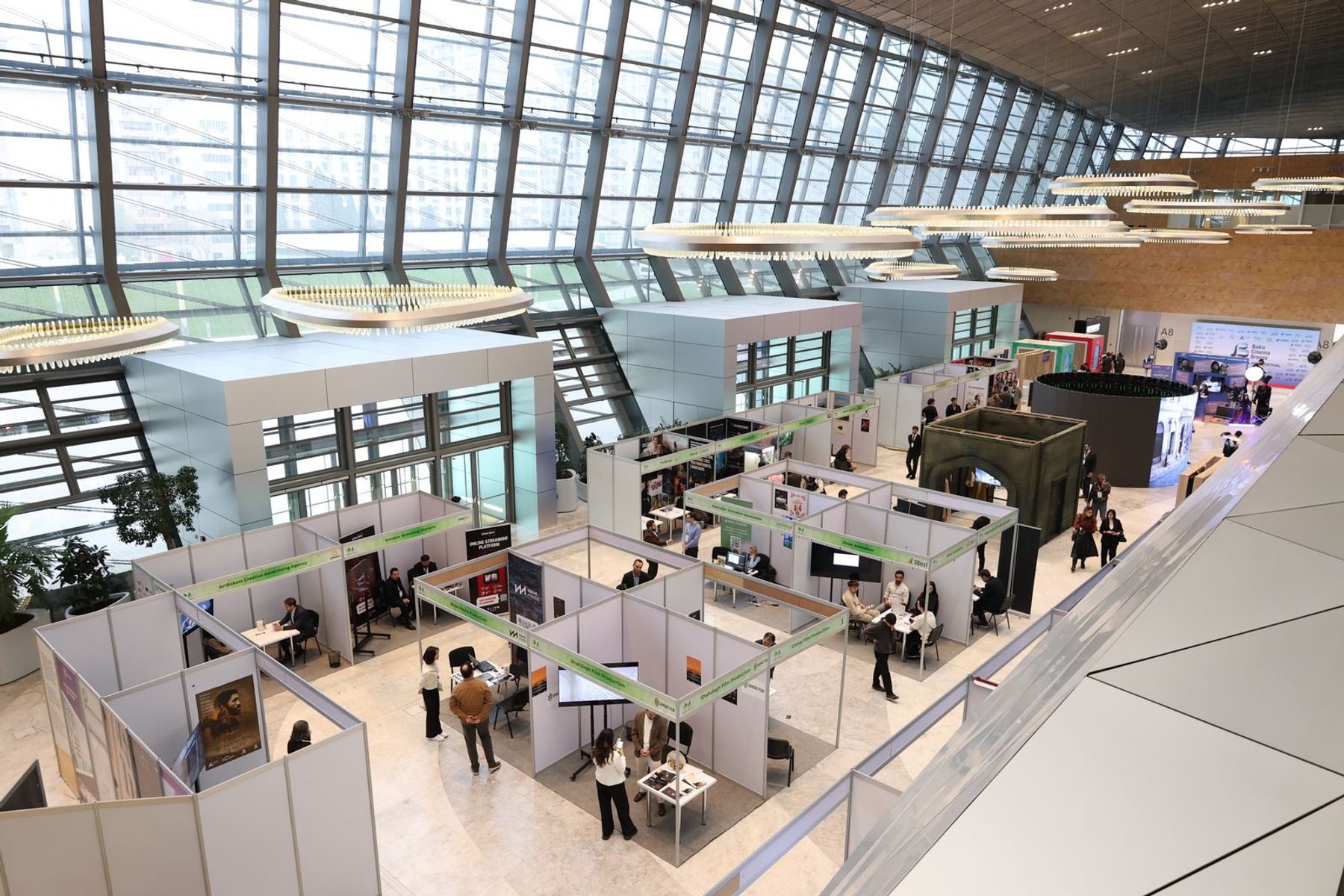
Spot AI is paying to build a store that sells nothing. In April the company signed on as title sponsor of the Retail Zone at the SVIP Experience Center, a permanent facility in the Dallas-Fort Worth area that SVIP says will open later this year. According to the release, the zone will simulate a working retail site: outdoor cameras for car casing and loitering deterrence, a point of sale for transaction fraud, an unattended checkout and a queue to measure, shelving for merchandise placement, heat mapping and end-cap analytics. The release does not say why a software company wants a physical room at all. I think that reason matters more than the sponsorship.
The demo problem
A video agent is tuned to a customer's own cameras, its own lighting and its own definition of an incident. Someone standing outside a pharmacy at two in the morning and someone standing outside a warehouse at the same hour look the same to a generic model. The customer decides which one is a problem, and the agent has to learn that. So the thing being sold is a product plus a tuning process, and the tuning is the part a buyer cannot see in a booth.
Trade-show demos hide this by design. The vendor picks the footage and the scenario. Rish Gupta, Spot AI's CEO, said in the release: "This isn't about showcasing features. It's about proving outcomes." He added that "the ability to demonstrate that in a real environment when customers need it most, not during a 3-day booth, is what makes this partnership powerful."
SVIP's own copy is blunter. The line on its zones page is "Walk into the environment, not the brochure," and it argues that "traditional demonstrations often fail to reflect the operational realities security leaders face every day." Jonathan Everett, SVIP's CRO, in the release: "The old model is broken. Too much noise, not enough substance."
What buyers ask for
When the demo cannot answer the question, buyers run pilots, and the requests that reached Spot AI's sales team this year share a shape. A lab-equipment manufacturer, after a pre-sale analysis suggested roughly 90 percent of its rework happened at a handful of workstations, asked for an eight-week proof of value at a single station, cameras supplied by the vendor, judged on detection rates, reporting and data handling, with an option to grow to 20 cameras in 2027. A franchisee running six stores of a frozen-dessert chain wanted a 30-day pilot at one or two locations, and before that a written answer to each of nine capability questions, while a second vendor was evaluated in parallel. A global animal-health manufacturer made pilot design the last item on a ten-point questionnaire and asked what a structured 90-day pilot would look like for one use case at one site.
These have the same bones. One site, a fixed clock, a small camera count, and a refusal to commit before seeing the system on their own floor. Each of them is asking for proof that the tuning works on their scene.
Pilots are expensive for everyone, though. Eight weeks of engineering for one station is a cost to the vendor, and a cost to the customer, who has to give access and a person to answer questions. A channel partner on a large pilot told Spot AI earlier this year that nobody makes money on a handful of cameras.
Why a room helps
An experience center is a middle step that can make the pilot shorter and better aimed. A loss-prevention director who walks through a mock store, watches the point-of-sale agent flag a voided sale with no customer at the register, and then asks about the returns desk has learned in twenty minutes what a 30-day pilot would otherwise establish. The pilot that follows can start at the tuning, with the question of whether the product exists already settled.
The second reason is who stands in the room. Spot AI moved to selling entirely through partners in March, a point the release repeats, and a permanent retail floor in Dallas gives an integrator somewhere to bring a customer without a vendor engineer on the call. SVIP says end-user membership is free.
Spot AI is the only title sponsor either company has named so far. SVIP's site lists five zones, covering education, healthcare, gaming and hospitality, retail and public safety, and it names vendors that have competed in its End User Den pitch events, among them HID Global, Homaxi, Vicon, Scylla and VOLT AI. Its calendar puts a retail End User Den in Dallas on December 9. If the Retail Zone is open by then, that will be the first chance for an outsider to compare the release with the room.